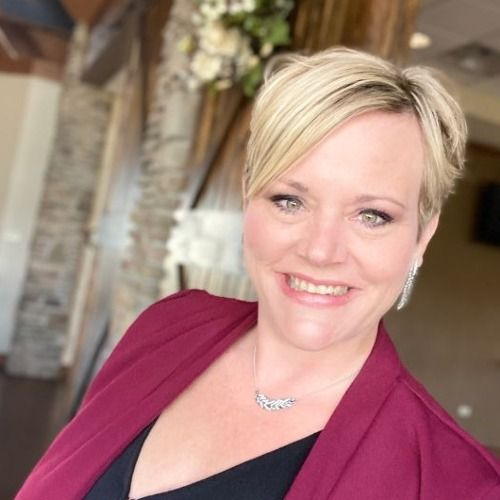
From Breakdown to Breakthrough – A Conversation with Paloma Greer
From Breakdown to Breakthrough – A Conversation with Paloma Greer
I had the absolute honor of sitting down with Paloma Greer on the podcast, and this conversation is one that will stay with you.
Paloma vulnerably shared her journey from hitting rock bottom—navigating heartbreak, anxiety, and even a stay in the hospital—to discovering the power of true healing. Not just mindset… but healing at the level of the nervous system, the body, and the soul.
What stood out most is this:
👉 You can say all the affirmations in the world…
👉 You can try to “think positive”…
But if your nervous system is still in survival mode, your life will keep reflecting that.
Paloma reminds us that healing doesn’t have to be complicated or out of reach. It can start right where you are:
💗 Movement and somatic dance
💗 Breathwork and grounding
💗 Nature, presence, and reconnecting to YOU
She shared how “little by little,” she rebuilt herself—and how we all have the power to do the same.
And here’s the truth we both aligned on:
✨ You are not stuck.
✨ You are not broken.
✨ You are becoming.
When you begin to heal from within, everything you attract begins to change—your relationships, your opportunities, your results.
This episode is for the woman who is ready to rise… not perfectly, but powerfully.
Paloma Greer
Founder, Caché Marketing & Events
Paloma is a powerhouse of creativity and vision, bringing over 15 years of marketing experience to the table. As the founder of Caché Marketing & Events (http://www.cachemarketingandevents.com), she has fostered a vibrant community of entrepreneurs, helping aspiring business owners turn bold ideas into tangible success. Her expertise is a dynamic blend of artistry and strategy, combining premium web design, video marketing, and unique event experiences.
With a career that thrives on originality, Paloma is a master of crafting magnetic online presences. At Caché Marketing & Events, she transforms ideas into thriving businesses by fusing high-energy concepts with proven strategies that resonate deeply with audiences. As a creative force and marketing innovator, Paloma is dedicated to empowering entrepreneurs, her clients, and those striving to launch their businesses. Beyond being a marketing expert, Paloma is an artistic visionary lighting the way to success.
💬 Tell me—what’s one way you’ve been called to reconnect with yourself lately?
Takeaways:
- In the realm of personal development, one must confront the complexities of one's own psyche, as it is imperative to embrace the pain that often accompanies healing.
- The transformative journey necessitates a profound surrender to one's emotional turmoil, facilitating a path toward self-discovery and acceptance.
- Healing is intrinsically linked to understanding the nervous system's response to trauma, which significantly influences our emotional and psychological state.
- To achieve true transformation in life, it is essential to cultivate a holistic approach that integrates the mind, body, and spirit, recognizing their interconnectedness.
- The process of healing often involves unraveling deeply embedded patterns formed through past experiences and relationships, allowing for personal growth and reinvention.
- Ultimately, the most courageous act one can undertake is to embrace vulnerability and allow oneself to authentically experience and process the spectrum of human emotion.
Transcript
Hello, everyone, and welcome to the courageous destiny build a business and life you love podcast.
Speaker A:I am your host, Kristen Crockett.
Speaker A:My company is courageous Destiny, and I love to help people build a business and life they love.
Speaker A:And today I have the honor of interviewing Paloma Greer.
Speaker A:Paloma is a creative marketing strategist and.
Speaker A:And event coordinator, as well as an incredible book that you can also find in the show notes called Surrender.
Speaker A:Paloma, welcome to my show.
Speaker B:Yes, we made it.
Speaker B:I am so honored and happy to be here.
Speaker B:Thank you.
Speaker B:Thank you for having me.
Speaker A:It's my incredible honor.
Speaker A:And when we met and we started having conversations, I just really felt like we were kindred spirits in a lot of our journey.
Speaker A:You know, we have these things that happen to us in life and, like, we've been talking about, right.
Speaker A:You have to rise from the ashes.
Speaker A:I would love for.
Speaker A:For you to take a few minutes just to give our listeners a rundown of, you know, kind of part of your healing journey and where it started and.
Speaker A:And kind of how it evolved from there.
Speaker B:Sure.
Speaker B:Well, it all started when I landed in the mental ward.
Speaker B:I landed in the mental hospital due to a devastating breakup that I had.
Speaker B:I was so broken, heartbroken.
Speaker B:I was going through a lot at work.
Speaker B:That last breakup was.
Speaker B:Or that last relationship was the key to many things.
Speaker B:And I didn't realize until I surrendered to my healing journey.
Speaker B:So in a nutshell, I found out, you know, that this person had been, you know, sharing a home in our son with someone else.
Speaker B:And I had no idea.
Speaker B:So.
Speaker B:So that really, at so many different levels, you know, it's not just a betrayal, but it's like you kind of internalize that, right?
Speaker B:And it's like you start thinking, maybe I'm not attracted enough.
Speaker B:Maybe, maybe.
Speaker B:Maybe I'm not young enough.
Speaker B:And so there were a lot of things that I internalized.
Speaker B:And so I took it really hard.
Speaker B:I mean, it was really hard for me.
Speaker B:And things started.
Speaker B:Started to get worse and worse.
Speaker B:I was dealing with depression.
Speaker B:I was dealing with anxiety.
Speaker B:No idea, though, that I had anxiety.
Speaker B:I just knew what it felt like.
Speaker B:But I hadn't been officially diagnosed, so one thing led to another, and I ended up in the hospital, you know, and voluntarily.
Speaker B:And I was so desperate to try to find some sort of healing that I said, at this point, you know, I'm willing to do anything.
Speaker B:So I surrendered and I went into the hospital where I learned a lot about the chemistry of the human brain.
Speaker B:I learned about how our brains work when it comes to addiction.
Speaker B:There I Was diagnosed with ptsd, which I had no idea I had PTSD from narcissistic abuse.
Speaker B:I was diagnosed with chronic anxiety, with major depression disorder, panic attacks, and I think I already said addiction.
Speaker B:So I was a mess.
Speaker B:I was a hot mess.
Speaker A:And I get it, though.
Speaker A:I get it because, I mean, even just going through a recent breakup myself, you know, and, you know, very different.
Speaker A:You know, different context, but, you know, your nervous system goes crazy.
Speaker A:Your nervous system goes crazy.
Speaker A:You don't even realize that you've been holding your breath for a number.
Speaker A:For me, a number of months, you know, where you're just holding your breath, waiting for the next.
Speaker A:You know, you start getting on high alert, and then your body is in that fight or flight state for a very long period of time.
Speaker B:100.
Speaker B:And you said something key here, which is the nervous system.
Speaker B:Yes, I definitely want to talk about that, because that, to me, that was the key of everything.
Speaker B:So, you know, I learned that was kind of like the reset, that was the.
Speaker B:The beginning of even spiritual awakening, because I. I came in with an addiction problem.
Speaker B:And when I said addiction, you know, I was drinking wine every night.
Speaker B:I was combining my sleeping medication and still drinking wine, you know, so it wasn't like I was on, you know, heavy drugs, but I had an addiction to wine and to the medication in order for me to be able to fall asleep.
Speaker B:So, yeah, but I was in denial.
Speaker B:I didn't.
Speaker B:I'm like, I'm not.
Speaker B:I'm not a drug addict, you know, but we do develop addictions that we don't realize, you know, they're addictions.
Speaker B:So I learned a lot about that.
Speaker B:I learned about the cognitive distortions that you develop based on your own experiences and may have to do with, you know, trauma as a child.
Speaker B:You know, I mean, there's so many things that were connected.
Speaker B:So throughout that program, I was able to identify a lot of things that were happening to me at so many different levels.
Speaker B:And then it was almost like when they said ptsd, I was like, ah, it don't make sense.
Speaker B:Like, the things that I feel, the fear that I experience, like how I panic or, you know, like, all these things started to make sense.
Speaker B:So to me, it was like, I'm not crazy.
Speaker B:There is a name.
Speaker B:You know, I felt like I was, for the first time, in the right place.
Speaker B:So I learned about meditation.
Speaker B:I learned about grounding.
Speaker B:I learned about the power of sound healing.
Speaker B:I mean, I learned about all this holistic program, and they wanted to keep me in a holistic program because I Came with addiction.
Speaker B:So versus taking medication.
Speaker B:And I said, no, you know, if I rather meditate, you know.
Speaker B:But I didn't know exactly what that was.
Speaker B:So in.
Speaker B:In during that time, I mean, I mean, I'm talking.
Speaker B:It was the lapse of, you know, several years that I was in this journey, but that led me to a spiritual awakening, you know, and.
Speaker B:And it was kind of like ups and downs and ups and downs, and I was doing really good.
Speaker B:And then I would like, somehow, some way, I caught myself always on survival mode throughout the years.
Speaker B:And I was doing really good in my career will take off, and I was doing really good.
Speaker B:And then, boom, a situation would happen, bring me down to my knees.
Speaker B:And then it was another lapse of time for me to, like, get up and get my.
Speaker B:Get.
Speaker B:Get my stuff together and try again.
Speaker B:So it was like that for a while.
Speaker B:And I discovered within the past several years that it really is about healing your nervous system, because you try everything.
Speaker B:You try affirmations, you try this, and it's like nothing is working.
Speaker B:It works to a certain extent.
Speaker B:But here's the secret, Kristen.
Speaker A:This is.
Speaker B:This is the one key thing that changed my life because I was all about positive mind mindset.
Speaker B:And I'm, if you know me, I'm like one of the most positive people.
Speaker B:I'm always uplifting.
Speaker B:Like, people like.
Speaker B:No, no, no, don't say that.
Speaker B:Change the word.
Speaker B:You know, because words have power.
Speaker B:Words have power.
Speaker B:So not to mention, it's how we create.
Speaker B:It's how we create, you know, not to mention that, you know, our body is 70 to 90% water, and water keeps memories.
Speaker B:So anything that you are telling to yourself, those words do have an effect on you in your body.
Speaker B:So I'm always taking really, really good care of what I say and how I say it and what I put out there in the universe.
Speaker B:Because words are frequency, but beyond that, right, You.
Speaker B:You have all the best intention.
Speaker B:But if your body is in a constant flyer or fight or, you know, or.
Speaker B:I think I said it backwards.
Speaker B:There's my.
Speaker B:My.
Speaker B:My dyslexia, which I was always diagnosed with.
Speaker B:I had no idea I had dyslexia.
Speaker B:I always change.
Speaker A:I always change things.
Speaker A:But I think it's just my dadism in me.
Speaker A:He always used to do that.
Speaker B:Fight or flight or, you know, but, you know, your.
Speaker B:Your system, your nervous system is always on defense, you know, and then you're exhausted, and then you don't understand why you have all these pains.
Speaker B:And so your body's always going to communicate with you, and it's always going to tell you.
Speaker B:So if your body is in pain is for a reason, it's beyond just like, oh, you know, you have bad posture.
Speaker B:There are really certain key points of your body where you kind of hold on to all that unresolved energy.
Speaker B:So that unresolved emotions and for us women is the hips, you know, and, and that's what I'm so passionate about, teaching Somatic Dance.
Speaker B:And I'm diving in deeply because I want to get to know, I want to get to master that, you know, movement, finding healing through movement.
Speaker B:And, you know, we'll talk about that in a little bit.
Speaker B:How dancing also was a huge part of my healing.
Speaker B:So there were so many different healing modalities that throughout my journey, I kind of like, I took him in a, you know, in, you know, in like in a little bag and I started, you know, putting them in my little backpack, right.
Speaker B:And.
Speaker B:And then I've been kind of utilizing them as tools throughout my life.
Speaker B:So anything and everything that I, that he helped me, such as Somatic Dance and breath work and grounding and meditation and sound healing, these are things that are holistic.
Speaker B:They're not religious attached.
Speaker B:They're not.
Speaker B:It's not attached to any religion.
Speaker B:This is really just the science of the mind and the body, you know, and the, in the frequency that exists that, that we can create.
Speaker B:So that's, you know, in a nutshell how essentially I started to heal myself, which later I understood that was so tight in with my professional career, you know, that I, I was like, wow, now, now, now I understand why I was going through all, all those ups and downs because my system was.
Speaker B:My nervous system was so jacked up.
Speaker B:So what I was doing was not in correlate, it was not reflective of how I, how I was internally.
Speaker B:And you're going to always attract what you are inside.
Speaker B:So if you're a chaos inside, you're going to attract people that bring you drama and gossip and people that are destructive, people that are trying to destroy what you're doing in so many different shapes of forms.
Speaker B:You know, it could be through a partner, it could be through a business partner, it could be through a friend or something, you know, and then you always end up attracting people that mirror that, that energy.
Speaker B:So your brain knows that, okay?
Speaker B:So it's.
Speaker B:So, it's so, so it is.
Speaker B:Because that's what's always been.
Speaker B:And I have to keep it that way.
Speaker B:And that's the brain, you know, the amygdala, this Little part, right?
Speaker B:Like, it's like, okay, I need to create a familiar pattern otherwise at risk, you know, so that the brain.
Speaker A:I want to pause just for a second for my listeners, because I think this is something really big that you're bringing up, and I. I want to share, too, in courageous destiny.
Speaker A:So when I'm working with people, I work with a lot of people to help them rewire identity, really become that version of them that has the success they're wanting to attract.
Speaker A:When people.
Speaker A:When people come to me, right, and they're like, and this happened to me, and then this, you know, kind of like in a victim mode, right?
Speaker A:Where I think the rest of the world goes, I can't believe that happened.
Speaker A:You poor dear.
Speaker A:Let me give you a hug.
Speaker A:Do.
Speaker A:And I'm thinking, I'm like, cool.
Speaker A:This is the most fascinating thing in the world that you're attracting.
Speaker A:How can we transform it?
Speaker B:Right?
Speaker A:Because you're attracting who you are all the time, you know, so.
Speaker A:And if there's a way that we can even flip the script and the narrative on that to be able to give power and empowerment back to us, we can truly transform ourselves from the inside and change what we attract.
Speaker B:Oh, a hundred percent.
Speaker B:And, you know, and even.
Speaker B:And, you know, this is really.
Speaker A:I'm not callous, by the way.
Speaker A:I don't really go cool, right?
Speaker B:No, I do.
Speaker B:I do get what you're saying.
Speaker B:That kind of lost you a little bit.
Speaker B:I think you froze for a second.
Speaker B:So I didn't get the whole thing.
Speaker B:But.
Speaker B:But I.
Speaker B:You know what?
Speaker A:I.
Speaker B:What I also know because I've had people that said, well, it took you a while to find out who you truly want to become, and you're working on it.
Speaker B:Right?
Speaker B:And I'm like, yeah.
Speaker B:She said, what if you have no idea who you want to become?
Speaker A:Right?
Speaker B:Right.
Speaker B:So that's a whole other journey, you know, and so we get to recreate or maybe invent the person.
Speaker B:So.
Speaker B:So that's what I've learned.
Speaker B:Like, it doesn't matter what happened to you in the past.
Speaker B:There's so many things, Kristin, that I haven't talked about that I haven't written.
Speaker B:But there was a really bad.
Speaker B:It was one of the toughest parts of my life after that situation with, you know, I mean, I'm talking about this sad situation at the.
Speaker B:At the hospital, the mental hospital Visit that was 15 years ago, but so much more happened in between, you know, and.
Speaker B:And like I said, it was one of those situations where you're up here I recover.
Speaker B:Like, I never had a problem getting up and recovering.
Speaker B:Been maintaining the highs is what.
Speaker B:What to me is never been consistent up until now that I'm embodying a whole new way of being.
Speaker B:And when I say of embodying a new way of being is because I'm literally stepping into who I want to be and I'm becoming.
Speaker A:And I. I see too, like, I often think of.
Speaker A:You know, there's some different schools of thought out there, right?
Speaker A:There's the, There's.
Speaker A:There's the body, you know, that it takes body that, like you've got energy that's stored in your body and to transform the body.
Speaker A:The.
Speaker A:The body tells us a lot.
Speaker A:And I totally believe that is the truth.
Speaker A:And then there's the mindset and the mindset.
Speaker A:You know, I. I like to work in the unconscious mindset because the unconscious mindset is driving the show from hiding.
Speaker B:Oh, yeah.
Speaker A:Tells me if I'm gonna go and do something with my body to help heal my body.
Speaker A:Right.
Speaker A:So I always think that that's important.
Speaker A:And then we have the spiritual side of things.
Speaker A:Right.
Speaker A:And it does take a village, and it takes all of those things for a true transformation.
Speaker A:But I love so much what you're talking about, too, with.
Speaker A:When you're talking about our body.
Speaker A:I thought that was really fascinating.
Speaker A:You said our bodies are 70 to 90% water.
Speaker A:Was that the figure?
Speaker B:Yeah.
Speaker A:And that each word has a frequency.
Speaker B:Oh, yeah.
Speaker A:And that the water in our bodies contains a memory.
Speaker A:You had shared that earlier.
Speaker A:And, you know, to me, it's like, I always believe in grace, inner, inward grace.
Speaker A:Because we have so many millions and gazillions of things happening in our bodies and our minds, in our spirit, all at the same time.
Speaker A:To me, if you really think about the complexity of the whole thing, how is any of us sane, you know, when you really think about it?
Speaker A:And so.
Speaker A:But how are you going to use the part that you're conscious to.
Speaker A:To be that creator?
Speaker A:That conscious creator was so coherence.
Speaker A:Yes, yes.
Speaker B:So you cannot say what you're.
Speaker B:What your body's not practicing.
Speaker B:Right.
Speaker B:So you cannot practice mindful meditation or silence.
Speaker B:Right.
Speaker B:If, if, if you have a loud mouth, per se, so you have to be in alignment with your thoughts.
Speaker B:That's coherence.
Speaker B:Right.
Speaker B:So it's almost like saying, okay, I'm gonna lose weight.
Speaker B:I'm gonna go into this diet.
Speaker B:I'm gonna do it.
Speaker B:And then you go to the grocery store, and then you buy everything sugary and carbs and Right.
Speaker B:So you cannot, you have to follow in alignment with your words.
Speaker B:So if you say, okay, I'm gonna get into this healthy diet, obviously you're grocery list has to match what you're saying.
Speaker B:So one of the things that I do firmly believe is that your brain is going to believe whatever you feed it.
Speaker B:Lies.
Speaker B:True or lies, the truth or lies, Your brain doesn't know the difference.
Speaker B:You can trick your brain into anything.
Speaker B:That's why people, they're such good liars that they start believing their own lies.
Speaker B:Because, yes, I believe in it.
Speaker B:Right.
Speaker B:So.
Speaker B:So when you start, you know, start lying to your brain.
Speaker B:That's how I started, you know, like saying when I felt like crap, I was saying, I feel great, I feel great.
Speaker B:And I would breathe like, I feel great, even though my body wasn't.
Speaker B:But just feeding my mind, I feel great.
Speaker B:And then I matched it with something that makes my body feel great, like dancing, you know.
Speaker A:And how do I line up this?
Speaker A:I love this.
Speaker A:I like to call them consciously.
Speaker A:I, I learned them from my mentor, one of my mentors.
Speaker A:Right.
Speaker A:Consciously designed decision.
Speaker A:I'm going to design a decision and then I'm going to align action to that decision, you know, so it's like if I say, if I say I'm lazy unconsciously, that's why I'm watching Netflix and eating nachos until 3:00 in the morning.
Speaker A:Right?
Speaker A:Okay, that lines up with that.
Speaker A:If I say I'm vibrant and I'm active, I'm much more likely to do some semantic dancing or eat a healthy way or.
Speaker B:Right.
Speaker B:And yeah.
Speaker B:Even as simple as a walk.
Speaker B:I'm sorry, I didn't mean to interrupt.
Speaker A:No, that's great.
Speaker B:And this is how.
Speaker B:So there's, there's this lady that, she said something that changed my life.
Speaker B:Her name is Mel Robbins.
Speaker B:I, I think you probably right.
Speaker B:So have you heard of the five second rule?
Speaker B:Yes, I love that.
Speaker B:Because he doesn't have time.
Speaker B:It doesn't give you enough time to like think, analyze.
Speaker B:You just get up and do it.
Speaker B:Right?
Speaker B:So when you just set yourself up to do that, you have to do it.
Speaker B:I trick myself all the time, you know, I, I trick myself in a way that I know is I'm setting myself up for success.
Speaker B:So for example, going back to like right now, you know, I, I really want to watch my sugar because both of my families, on both sides, they're diabetics.
Speaker B:My dad, you know, is very sick.
Speaker B:You know, my mom, my siblings, I mean, most of my family are diabetics.
Speaker B:And I see the life that they live, and I don't want to live that life.
Speaker B:So I have to, like, start watching it now, right?
Speaker B:So I try not to get into sugary stuff, right?
Speaker B:So I don't buy any pop.
Speaker B:I don't buy any, like, things that, you know, can contain a lot of sugar.
Speaker B:But if I did at 2 in the morning when I'm looking for a snack, I already know that I'm gonna grab something.
Speaker B:Whatever is there, I'm gonna grab it and I'm gonna eat it, right?
Speaker B:So I kind of trick myself into doing the things, you know, I make commitments and I stick to the commitments.
Speaker B:Even if it is just like, hey, I'm gonna dance one full song that's like five minutes of joy and movement.
Speaker B:Even if it is just one song in my living room.
Speaker B:It's those little small decisions that you make every day.
Speaker B:What's gonna make the difference at the end?
Speaker B:Those little decisions that you make, it's the little ones.
Speaker A:It's the ones that you make in the moment.
Speaker A:I was just sharing this in Rise yesterday.
Speaker A:So I have a program called Courageous Destiny Rise, where we do identity work, and we do.
Speaker A:You know, everybody's going for their courageous destiny.
Speaker A:And our theme this month is reinvention.
Speaker A:And one of the things that we were talking about yesterday, I'm like, you've got to become an expert at flipping the script, right?
Speaker A:If you flip the script, your brain will start taking different action if you tell it to.
Speaker A:But you've got to be aware enough to be able to identify that you're moving away from the things that you want, right?
Speaker A:And you can purposefully plant scripts that get you what you want, but you've got to be willing to do it.
Speaker A:And it feels so goofy, you know, when I try to explain this to people, I'm like, you know, like, I'll have a. I have what's called a mental pivot.
Speaker A:And in my mind, I'll see the Energizer Bunny.
Speaker A:Like, if I start to.
Speaker A:To.
Speaker A:If I start to talk about something that's not really creating anything monumental or, you know, that's probably leading me down a road that I don't really want to go.
Speaker A:I'll see the Energizer Bunny in my mind with those thimbles, and it goes like this.
Speaker A:And then I'll go.
Speaker A:Go the other way.
Speaker A:And then I'll pause and I'll reflect, and I'll thank it, because I don't want to make myself wrong for any way my mind's going because it's always going like there's nothing I can do about the direction.
Speaker A:But when I catch it, I can make a movement and a pivot to something else that gets me what I want or move toward what I want.
Speaker A:And it's those moments.
Speaker B:Yes.
Speaker B:And that's one of the things that I learned at the hospital.
Speaker B:How so?
Speaker B:You know, like when you go say that you are out in nature, right.
Speaker B:And then there's some trails that you can tell people goes through there.
Speaker B:And the more they go through it, the more marked the.
Speaker B:The path is.
Speaker B:Right.
Speaker B:And then it all become, all of a sudden it becomes like a little way right.
Speaker B:Where everybody follows.
Speaker B:So it's the exact same thing in our brain.
Speaker B:We start creating these patterns and sometimes they're so remarked that it's hard to go in a different direction.
Speaker B:And then you have to go into this other grassy, you know, is nothing is clear.
Speaker B:You have to start carving a new path.
Speaker B:And like my thing was, my therapist asked, okay, what's like, what's the funniest thing that, that every time you think about it, you remember and you laugh and I can tell you that moment, you know, And I, you know, I still to this day I laugh about it.
Speaker B:And it's just the silliest thing, but just picturing that moment was so freaking funny that I laugh every time, you know, so.
Speaker B:And then she said, okay, you know, whenever you think of that, whenever you feel this, you know, fear or this whatever, because your brain is so used to feeling that that you're going to attract situations.
Speaker B:So you can feel that.
Speaker B:And your brain doesn't think you're crazy, Right.
Speaker B:Because it's just affirmation.
Speaker A:Your brain, it's particular activating system.
Speaker A:Right.
Speaker A:Like if we're thinking about it, then our brain is automatically searching for it.
Speaker A:So if we're feeding our brain trauma or we need to get our hit of trauma and, and get our nerve.
Speaker A:Is that what she's saying?
Speaker A:Right.
Speaker A:Getting our nervous system.
Speaker B:Yes, exactly.
Speaker B:Because your body is going to go on that mode, right?
Speaker B:So you're, whatever you, your, your emotions are going to affect how you feel physically.
Speaker B:That's why you know, when you, when you find, when you found out that he was cheating, that's why it goes straight to your stomach.
Speaker B:You feel like it's sick.
Speaker B:You wanted, you want to throw up.
Speaker B:Right?
Speaker A:Right.
Speaker B:Physical reaction to it.
Speaker B:So every time, you know, your brain is creating or, or, or remembering or, you know, you have to cut it, you have to cut that thought.
Speaker B:You have to Literally disconnect the emotion with what you're thinking and then hijack that moment with a funny moment or whatever other moment that takes you away from that fear, from that anxiety.
Speaker B:And to me, it just.
Speaker B:It just works.
Speaker B:You know, it works.
Speaker A:It does.
Speaker A:You know, Paloma, I didn't know we were going to have this conversation, but we're going to have this conversation.
Speaker A:So there's a book, and I want to get into your book too, but there's a book called Power vs Force, Stephen Hawking, and it talks about.
Speaker A:It's very interesting because it takes all the different emotions and all the frequency of the different emotions, you know, our higher level emotions being things like peace and love and gratitude and.
Speaker A:And that's why I coach a lot of those things, because I'm like, we want to stay up there.
Speaker A:And the diagram that he displays in this book, it's like when you're in the higher frequencies, it's a large cone.
Speaker A:It's the top of a cone, right?
Speaker A:Yep.
Speaker A:And then you go down, and then when you're down at the bottom, you're in guilt and shame and all those type, different kinds of lower vibe emotions.
Speaker A:Then you're attracting that.
Speaker A:There's a little bit that you can attract.
Speaker A:You're at the bottom of a cone.
Speaker B:Yeah.
Speaker A:But I look at.
Speaker A:At that top, like, if I want to attract really great things in my life, I want to be able to understand how my brain works so that I can create higher frequency emotions on purpose with the part of my brain that I am conscious to.
Speaker B:Right.
Speaker A:And so I think that's really so important for healing.
Speaker B:Oh, yes.
Speaker A:And.
Speaker A:And beyond that, you have other modalities too, that you talk about.
Speaker A:Tell me, tell me about.
Speaker A:Tell me about surrender.
Speaker A:Because in a lot of ways, you surrendered to your healing.
Speaker A:Right.
Speaker A:You had.
Speaker A:You were put inside of.
Speaker A:You weren't put inside.
Speaker A:I'm sorry, you were in a mental hospital.
Speaker A:Right.
Speaker A:And that, first of all, I think that takes courage right there.
Speaker B:Yeah.
Speaker A:You know, and it's.
Speaker A:You have to learn how to surrender.
Speaker A:So tell me about what that word means to you and what that whole concept means to you.
Speaker B:Sure.
Speaker B:So that is such a powerful word that truly changed the course of my life.
Speaker B:And this is the night when years later, um, I found myself.
Speaker B:So I'm going to say about five years later, after that episode at the hospital, I found myself heartbroken again.
Speaker A:Mm.
Speaker B:I found myself depressed again.
Speaker B:I found myself living in fear.
Speaker B:I was homeless.
Speaker B:I was staying with extended family.
Speaker B:I didn't have a job.
Speaker B:I Had nothing to look forward to.
Speaker B:I had no money.
Speaker B:I had no support system, nothing.
Speaker B:I had lost it all overnight.
Speaker B:I lost it all.
Speaker B:And I cut a dui.
Speaker B:So I felt I was so broken down to ashes.
Speaker B:I couldn't be the mother that I needed to be.
Speaker B:I couldn't be the.
Speaker B:I had failed.
Speaker B:Like, I felt I had.
Speaker B:I had failed as a woman.
Speaker B:Here, Here.
Speaker B:Here I was again losing another really important man of my life that I was going to marry.
Speaker B:So there's a point in my.
Speaker B:In this life.
Speaker B:And then there's this night where I remember specifically it was after midnight to the right.
Speaker B:You know, there was a.
Speaker B:It was a very small room, and.
Speaker B:And the room had no closet.
Speaker B:So I remember having everything.
Speaker B:The little bit of that I had was piled up.
Speaker B:And I remember looking, you know, to my right and then my son, which, at that point, he was probably about five, maybe six.
Speaker B:And I remember seeing him.
Speaker B:There's just so.
Speaker B:Like a little angel just laying there, you know, so innocent.
Speaker B:And I remember thinking, I failed him.
Speaker B:I have not to offer him not even the happy mom that he deserves.
Speaker B:I. I had failed Kristen.
Speaker B:Down to ashes.
Speaker B:Well, there was, like, absolutely nothing else to lose.
Speaker B:Like, I had lost it all.
Speaker B:Absolutely everything.
Speaker B:I had lost the men that I thought I was going to marry.
Speaker B:I had lost everything.
Speaker B:So at that point, I remember dropping on my knees and.
Speaker B:And thinking, I'm done.
Speaker B:There's absolutely nothing else that I could possibly lose.
Speaker B:There's nothing that I'm looking forward to.
Speaker B:There's nothing.
Speaker B:There's nothing.
Speaker B:And I remember I was thinking, God, if you exist, just give me a sign.
Speaker B:Like, give me a. I don't know why was I looking, but I was looking like, I don't know, some sort of, like, sign to come from the sky, you know?
Speaker B:Like, I remember.
Speaker B:You know, I was.
Speaker B:I was on my knees.
Speaker B:I was just, you know, looking at.
Speaker B:Outside the window, and I could only see the concrete wall, you know, the neighbor's wall.
Speaker B:And it was this dry, dull, you know, gray concrete wall.
Speaker B:And I remember thinking, this is my life right now.
Speaker B:Like, this is it.
Speaker B:And I then surrendered to the pain that I was feeling.
Speaker B:And I cried like I never have.
Speaker B:And then I said, I surrender.
Speaker B:Because at that point, I was like, God, I am nothing right now.
Speaker B:I surrender.
Speaker B:I surrender to you.
Speaker B:I surrender to my part, whatever it is.
Speaker B:Like, I'm done.
Speaker B:I. I need to be saved.
Speaker B:And when I mean, surrender, it was surrendering to the pain that I was feeling that for years I was neglecting that for Years I didn't want to feel.
Speaker B:And I allowed myself to surrender to the pain that I had not wanted to feel for years.
Speaker B:And I cried and I cried in such a way that I felt like my soul was leaving my body.
Speaker B:I felt I was dying.
Speaker B:But once I surrender to that pain and I allow myself to feel it, that changed my life.
Speaker B:Because I feel that we all run from the pain.
Speaker B:And that's when we start, you know, taking meds so we don't have to, you know, feel the.
Speaker B:Feel the depression.
Speaker B:And.
Speaker B:And I'm not saying you shouldn't be on medication.
Speaker B:Obviously, don't.
Speaker B:Don't take my advice, because I'm not a professional.
Speaker B:But I'm saying I feel like a lot of the mats that we.
Speaker B:We are put on, and I'm telling you, speaking from my own experience, it kind of numbs what you're meant to work through.
Speaker B:And for me, it was.
Speaker B:Let.
Speaker B:Let me just feel the pain.
Speaker B:And once you feel that pain is like, okay, I survived.
Speaker B:I'm still breathing.
Speaker B:I'm still breathing.
Speaker B:Okay, well, let me get up.
Speaker B:Okay, I need a plan.
Speaker B:How much do I need to get out of here?
Speaker B:How much do I need, you know, to.
Speaker B:For a deposit for my.
Speaker B:Okay, I'm.
Speaker B:I need to start making calls and see if anybody has any type of work.
Speaker B:I. I'm ready.
Speaker A:So I. I want to.
Speaker A:I just want to pause for a second for our listeners, because this is so huge at some point.
Speaker A:First of all, thank you for blessing us with.
Speaker A:With that honest and authentic, you know, sharing of your life, because I think it can help so many people.
Speaker A:When I think of.
Speaker A:When I think of what surrender allows us to do is to go from resisting it.
Speaker A:Like we're trying to control certain things that we can't control.
Speaker A:And then finally we just get to the point where it's like, I surrender, and then I start embracing the pain.
Speaker A:I accept the pain for what it is.
Speaker A:I failed, by the way.
Speaker A:It wasn't too long ago where I did the same thing.
Speaker A:I'm like, you know what?
Speaker A:I failed.
Speaker A:I failed.
Speaker A:And then I felt the feels.
Speaker A:I cried.
Speaker A:You know, I hugged my dog, and then I got bored.
Speaker B:Well, you know, you said something key.
Speaker B:Pain is temporary because, yes, you are going to feel the pain until you heal, but suffering is optional because you're so.
Speaker B:You, like, you don't want to feel the pain so bad that you go around the pain, and then yourself, you end up suffering.
Speaker B:And that's one of the things that I. I think one of the bravest thing.
Speaker B:And then I've done some crazy things.
Speaker B:Like, I've done skydiving, you know, Like, I. I'm not.
Speaker B:Yes.
Speaker B:I'm not.
Speaker B:I'm not a.
Speaker B:A shy girl.
Speaker B:I'm not like, I'm.
Speaker B:I'm like, let's go.
Speaker B:You know, I'm always like the first one jumping off the airplane.
Speaker B:But.
Speaker B:But the kind of bravery I'm referring to is when you finally allow yourself to recognize how broke and in.
Speaker B:It's a process.
Speaker B:Right?
Speaker B:Because now you.
Speaker B:Okay, I get it.
Speaker B:It's not the world.
Speaker B:I'm the common denominator.
Speaker B:Like, I. I'm the common thread here.
Speaker B:It wasn't just that relationship.
Speaker B:It was this one.
Speaker B:And, you know, but.
Speaker B:And then you start like, okay, well, my.
Speaker B:Just be me, you know, and.
Speaker B:And having to recognize your patterns.
Speaker B:And yes.
Speaker B:You know, you're going to feel embarrassed at first, which is part of the process, the shame.
Speaker B:But how do we transmute.
Speaker B:How do we convert shame into something else?
Speaker B:Because you're right.
Speaker B:Shame is one of the lowest vibrating frequencies.
Speaker B:And when you don't process that, you're going to attract more of it.
Speaker B:So the goal is to raise your vibration in a way that we are in high frequency.
Speaker B:Right?
Speaker B:So we want to feel joy and we want to feel love, and we want to be, you know, authentic.
Speaker B:Which, by the way, I recently found out, and I'm.
Speaker B:I'm talking within this past year, that authenticity is the.
Speaker B:The highest vibration.
Speaker A:Highest one.
Speaker B:Yes.
Speaker B:I thought it was love.
Speaker B:I'm like, oh, my God.
Speaker B:So we don't even.
Speaker B:You don't even love.
Speaker B:All you have to do is just be yourself, you know, to.
Speaker A:That's it.
Speaker A:You know, that's it.
Speaker A:Like, I call that, by the way, a courageous destiny.
Speaker B:And I think that's everybody's quest, really.
Speaker B:I think, yeah, you're for.
Speaker B:To find yourself, to, like, really conquer yourself, you know, and heal yourself.
Speaker B:There's a lot of healers out there.
Speaker B:Like, the moment I hear a healer say, oh, I'll heal you, I'm like, you're not the real deal.
Speaker B:Because a true healer is going to tell you, I can't heal you, but I can walk you through the process and be there with you and show you ways and help you attain, you know, or help you get there.
Speaker B:But really, we all have to heal ourselves.
Speaker B:And a part of it is accepting yourself as you are accepting.
Speaker B:Like, my brokenness.
Speaker B:I.
Speaker B:My ego was so big that I refused to look at myself.
Speaker B:Like, I'm broken, you know, and.
Speaker B:And when you Are able to recognize, like, yeah, I'm broken.
Speaker B:But it's not only just accepting it, it's like, how do I fix this?
Speaker B:Like, how do.
Speaker B:Okay, now I know what.
Speaker B:What's wrong with me?
Speaker B:Or not wrong, but I know now I know what's happening within me.
Speaker B:Like, how do.
Speaker B:How do I get past to the other side?
Speaker B:And that has been another 10 years of my life just trying to figure out how do.
Speaker B:How do you.
Speaker B:You know, and I'm not saying that it's going to take that long.
Speaker B:I mean, everybody's on a personal journey.
Speaker B:I tend to be very stubborn, and, you know, I have a big ego.
Speaker B:So it's harder to get in line when you have, you know, those things.
Speaker A:Well, they say the people with the biggest egos make the biggest changes in the world.
Speaker B:That's true.
Speaker B:That's true.
Speaker A:And I don't.
Speaker A:And I mean, like, trans.
Speaker A:When you work toward transforming your ego and having it really work for you and becoming best friends.
Speaker B:Yeah.
Speaker A:You know, it's a hard press.
Speaker A:I mean, take.
Speaker A:I mean, I have a big one, too, but it's like, when you do the work with it, it's amazing.
Speaker A:It's amazing what kind of change you can do.
Speaker A:And even just us having this conversation, I hope the world will know or the listeners will know how any one of the concepts that we had just shared in this can really, really transform a life very quickly and.
Speaker A:And help you through a difficult time.
Speaker A:So I know that I could.
Speaker A:I could talk to you for five days, and we go straight and we could, like, we could create, like, Gone with the Wind podcast style.
Speaker A:And we will, I think.
Speaker A:But I have two questions for you.
Speaker B:Sure.
Speaker A:What is the most courageous thing you've ever done?
Speaker B:Surrender to my healing.
Speaker B:Yes, My healing.
Speaker B:I.
Speaker B:And I'm.
Speaker B:And, you know, I. I could have said skydiving or some crazy things like that, but no, I think that the.
Speaker B:The greatest courageous or the most courageous thing I've ever done is.
Speaker B:Is surrendered to my process.
Speaker B:And why?
Speaker B:Because spiritual awakening and healing is not pretty.
Speaker B:It's not crystals and.
Speaker B:Oh, and sound healing.
Speaker B:No, I mean, that's a plus.
Speaker B:That's a perk.
Speaker B:That's beautiful.
Speaker A:It's fun stuff.
Speaker A:I mean, it can help.
Speaker B:No, I mean, sound.
Speaker B:Sound has a amazing.
Speaker B:Yes.
Speaker B:You know, at a physical level, let alone, you know, spiritual, but it's.
Speaker B:It's not what's going to solve your problems.
Speaker B:You know, you.
Speaker B:You have to look.
Speaker B:Take a deep look within and see why.
Speaker B:Why are you.
Speaker B:Why do you react the way you react.
Speaker B:Why.
Speaker B:Why do you get so triggered in certain occasions?
Speaker B:Or because somebody does something like, why do you get so triggered?
Speaker B:And I was able to connect that all my relationship problems were connected directly to my father, not because I had a bad relationship with him.
Speaker B:In fact, he was the only one that I felt loved by, protected by, defended by.
Speaker B:But guess what?
Speaker B:My dad is a covert narcissist.
Speaker B:Yeah.
Speaker B:And I grew up watching him degrading my mom, treating her like his personal butler, disrespecting her, but always with this position of authority at church, behind a podium.
Speaker B:So I grew up idolizing a narcissist.
Speaker B:So you can imagine what my relationship.
Speaker B:Well, yeah.
Speaker A:And then you.
Speaker A:Our reticulator activator system looks for that when we go to make a match, because that's what we know and that's what we recognize, and that's how we recognize that as love, and we get all of those things tied up.
Speaker A:So a lot of this work is about, like, taking that yarn ball and, like, unraveling and getting everything sorted out.
Speaker A:I mean, it's a.
Speaker A:It is a courageous journey, and I respect you to the.
Speaker A:I bet on that journey, and I'm always going to be on that journey, I'm pretty sure, as long as I'm growing in this life.
Speaker A:But I respect that so much because to me, that is a courageous destiny.
Speaker A:It's not easy work to do.
Speaker A:It's.
Speaker A:It's easier to get through your.
Speaker A:Through your fear and go, I'm jumping out of that plane.
Speaker A:Right.
Speaker A:It's something I can do.
Speaker A:I don't know that I would, but maybe I will.
Speaker A:Maybe we'll get courageous destiny to jump out of the plane and.
Speaker A:And Paloma will come with me.
Speaker B:But, you know, or walk or do a firewalk.
Speaker B:You know, the things that, you know that I mean, too.
Speaker A:There's a really good song, by the way, Fire Walk With Me by the Black Keys.
Speaker A:Oh, it's so good.
Speaker B:I'm gonna look it up.
Speaker A:Yeah, I'll share that with you.
Speaker A:Okay, one more question.
Speaker A:One more question.
Speaker A:What is the most courageous thing left to do on your bucket list?
Speaker B:Oh, that's a good question.
Speaker B:I would say taking my purpose to a national level, I think that's.
Speaker B:That's the thing that really scares me, that I know it's not impossible, but I know it's.
Speaker B:It takes a lot of grit and guts and determination to do it.
Speaker B:So I think that's.
Speaker B:That's what I would love to do.
Speaker A:Wonderful.
Speaker A:Wonderful.
Speaker A:And maybe we can be kindred spirits in that together.
Speaker B:You can always by with me.
Speaker B:So yeah.
Speaker A:Courageous destiny and Paloma Greer.
Speaker A:Here we.
Speaker A:Here we go.
Speaker A:Here we go.
Speaker B:Oh, yeah.
Speaker B:That sounds like a lot of fun.
Speaker B:That sounds like an adventure.
Speaker B:So.
Speaker B:Yeah.
Speaker A:Yes, for sure.
Speaker A:Thank you so much, Paloma, for coming onto my show.
Speaker A:Are there any last words that you would like to share with our listeners before we sign off today?
Speaker B:Yes.
Speaker B:I think that no matter what you're going through, I know that sometimes it seems impossible.
Speaker B:It seems like you're not ever gonna get out of.
Speaker B:Feels like you can't breathe.
Speaker B:It feels like the world sits on your.
Speaker B:On your chest.
Speaker B:This is a great opportunity to look within and and see why are you feeling what does that connect to and start doing, you know, little by little that work like look within all the ant and I know this sounds so cliche, but all the answers are within and no matter what you're going through right now, it.
Speaker B:This is nothing but the pathway that can lead you to healing and is the most amazing thing when you find healing.
Speaker A:Thank you so much for coming on my show.
Speaker A:Such great words of wisdom.
Speaker A:Thank you for having me, everyone, all my listeners.
Speaker A:Right now, I want to make sure that you know how to contact Paloma.
Speaker A:If you go to the show notes, you'll be find a way to reach out to her and you'll also find a link to her book Surrender.
Speaker A:I would love for you guys to download that.
Speaker A:And no matter where you're at in your healing journey, we can always grow.
Speaker A:We can always grow.
Speaker B:Always.
Speaker A:All right, everyone, thanks so much for listening.
Speaker A:And until next next time, live courageously.